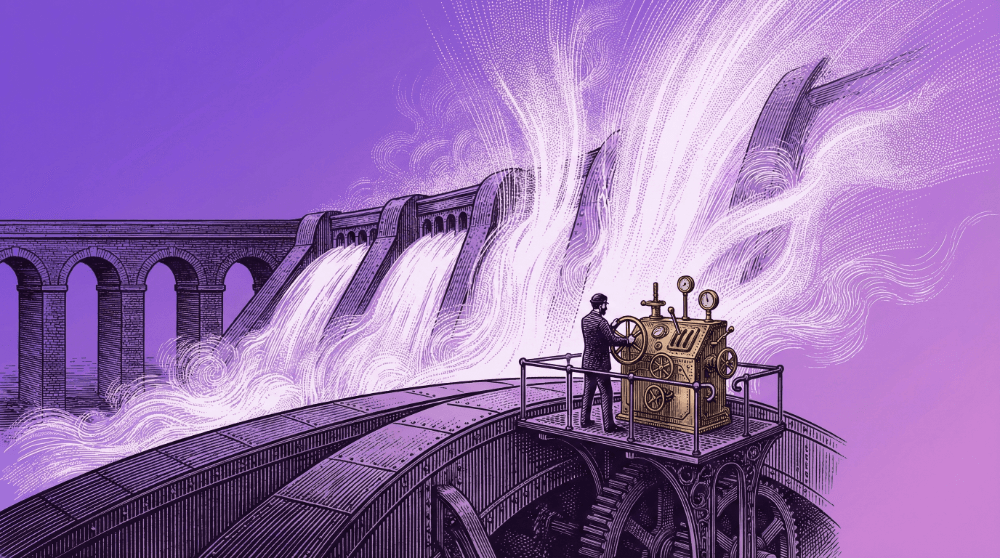
The Grid Is Drowning in Green Power And That's a Problem
Solar and wind capacity are surging. But the grid wasn't built for this much chaos and the fixes require changing how we think about electricity itself.
On certain sunny Sundays in 2024, something strange happened across European power markets: electricity prices went negative. Generators were paying to give their power away. The grid was so flooded with renewable energy that it had become, briefly, a liability. It was a triumph and a warning.
The Energy Transition's Strange Tipping Point
For the last decade, the narrative focused almost exclusively on the "First Mile," which was the desperate push to build out renewable capacity. We are unequivocally winning that race. In Germany, the Renewable Energy Act (EEG) has set a blistering pace that targets photovoltaic capacity to leap from roughly 60 GW in 2021 to a staggering 215 GW by 2030.
But this surge in generation brings a volatile irony: The grid is becoming a victim of its own success.
We are getting world-class at producing green electrons, but we are still amateurs at managing them. On sunny Sundays in 2024 and 2025, Europe saw record numbers of "negative price hours," times when the grid was so flooded with power that generators had to pay to offload it.
The next era of the transition isn't about building more; it is about Flexibility. This is the critical ability to balance supply and demand in real-time. Without it, the momentum we have built could become the very thing that destabilizes the system.
Solar Panels are Only "Day Zero"
Building hardware was the industry's first great hurdle, but that "capacity challenge" is maturing into an "integration challenge."
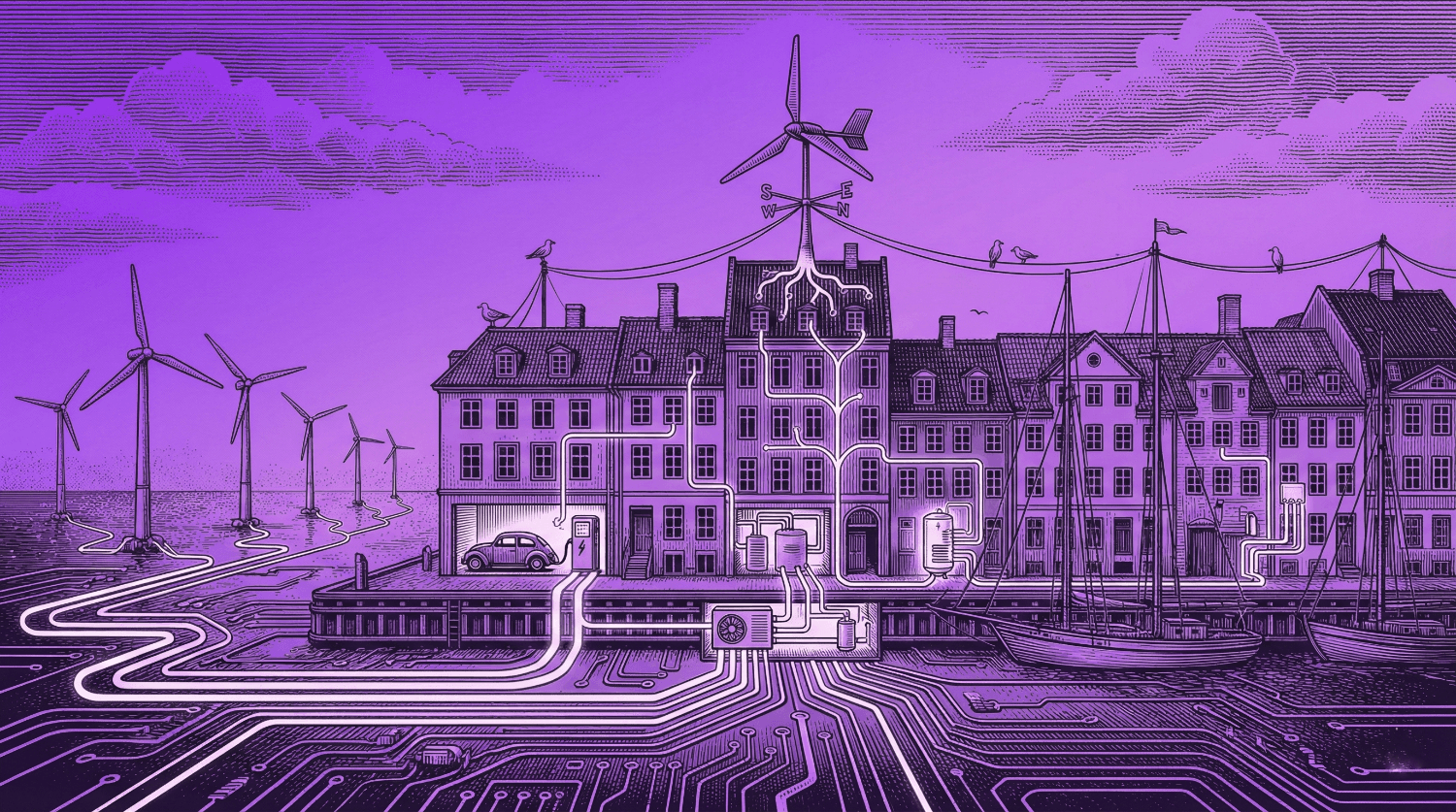
Think of hardware, such as solar panels and wind turbines, as Day Zero. It is the necessary foundation, but software is the "Last Mile." The old world was simple: a few dozen massive coal plants provided steady, predictable power. The new world is chaotic: millions of decentralized, weather-dependent assets like PV systems, EVs, and heat pumps are injecting power unevenly.
The struggle is no longer just about the volume of green energy we can harvest, but how we integrate that intermittent power into a stable market without blowing up the fuses. If you buy a Ferrari (high-capacity solar) but don't have a driver's license (smart software), you don't have a transport solution. You simply have an expensive lawn ornament.
The Battle for the Customer Experience
The traditional utility model is being disrupted by three distinct archetypes. First, the oil and gas giants are pivoting to electricity to save their relevance. Second, agile startups like Tibber or Monta are attacking niche pain points with better software. Finally, hardware OEMs like Tesla or Viessmann are evolving into digital energy providers.
Tim Steinmetz, Managing Director at gridX, notes that the battle for serving the electricity customer of the future has begun. In the end, it is about who delivers the most innovative and easy-to-use energy product.
This shift reveals that the new competitive frontier is actually User Experience (UX). In a world of complex Distributed Energy Resources (DERs), the winner won't be the company with the best engineering manual. It will be the company that makes energy management invisible. Complexity is the ultimate barrier to adoption; simplicity is the ultimate product.
The Future is "Plug and Play"
The friction that once defined energy projects—sky-high connection costs, weeks of manual configuration, and proprietary "walled gardens"—is headed for obsolescence.
We are moving toward a "Plug and Play" ecosystem where the cost of integrating new flexibilities drops to near zero. This is an urgent necessity. According to recent 2025 industry analysis on retrofitting, Europe is sitting on millions of unconnected, analog assets. By utilizing IoT-driven intelligence, we can bridge the gap between these "dumb" assets and the smart grid. We can turn a 10-year-old heat pump into a smart, controllable node of the energy system without needing a screwdriver, just a software update.
Incentivizing "When" Rather Than "What"
To unlock true flexibility, we have to change the financial incentives for the end user. For years, we asked consumers to care about "What" they consumed, distinguishing between green and grey energy. Now, we need them to care about "When."
Time-of-Use (ToU) tariffs are the primary lever here. By shifting the financial reward to the customer, we align personal greed with public good. When you pay an EV driver to charge at 2:00 PM when solar is peaking rather than at 7:00 PM when the grid is straining, you aren't just saving them money. You are sourcing flexibility from the "edge" of the grid, effectively avoiding the need to fire up a gas peaker plant.
Accelerators and Brakes
Regulation in this new era must be a "cocktail" of aggressive acceleration and dynamic adaptation. We have seen how subsidies can create explosive growth curves, yet the regulatory framework often lags behind reality.
The German "Solarpaket 1" (Solar Package I), passed in April 2024, acts as the accelerator. It finally cut the red tape on "Balcony Solar" and simplified the rules for commercial storage. Conversely, the controversial §14a EnWG reform acts as the guardrail. This regulation allows grid operators to temporarily "dim" the power of private wallboxes and heat pumps to 4.2 kW during critical overloads.
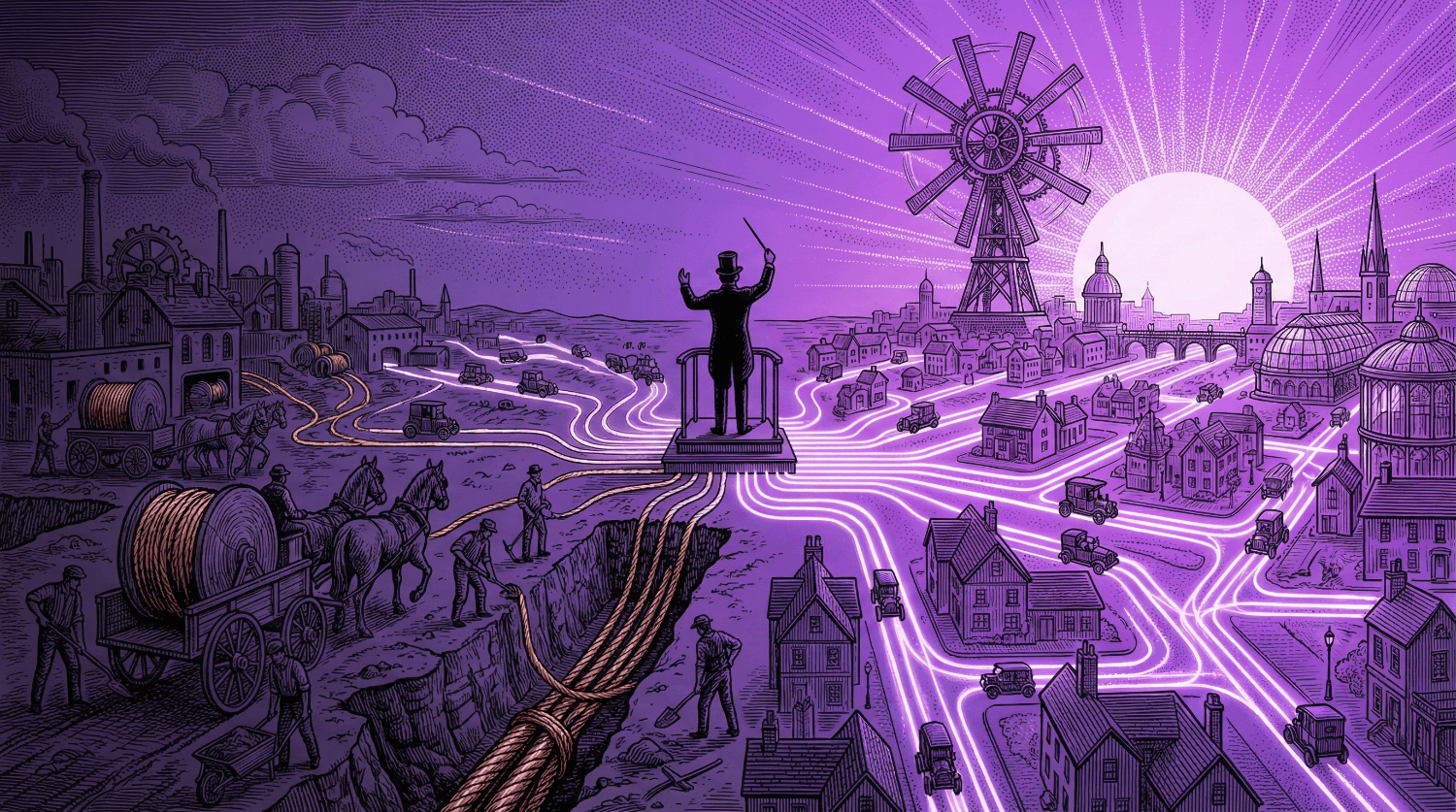
While critics call §14a an intrusion, proponents see it as the necessary safety valve. It allows us to connect millions of new heat pumps today without waiting ten years for new copper cables to be laid. It ensures that the lights stay on while the grid catches up.
Conclusion: The "Active" Customer
The success of the energy transition now rests on a new market design, a coordinated platform that integrates every player through innovation rather than just raw capacity.
We have the hardware. We have the targets. Now we need intelligence. As the grid transforms from a static, one-way street into a vibrant, multi-directional network, the role of the consumer has changed forever. You are no longer just a billing ID number. You are a participant.
The question is no longer whether the grid can handle the transition. The question is: Is your home ready to stop being a passive line item and start acting like a micro-power plant?